
Choosing the Right Cabinet Hinges for Strength, Style, and Smooth-As-Hell Performance
Cabinet hinge types
Homeowners and builders often ask about the main cabinet hinge types. Knowing these types helps create sturdy, functional cabinets. Each project needs the right hinge for strength and appearance. Readers should think about their cabinet style and project goals before choosing a hinge for their next build.
Cabinet hinge basics
What is a cabinet hinge?
A cabinet hinge connects a cabinet door to its frame or box. It allows the door to open and close smoothly. Hinges support the weight of the door and help keep it aligned. Builders and homeowners use different cabinet hinge types to match the style and function of their cabinets.
Key hinge terms
Understanding hinge terms helps people choose the right hardware.
Leaf: The flat part that attaches to the cabinet or door.
Knuckle: The rounded part where the hinge pivots.
Pin: The rod that holds the leaves together and lets them rotate.
Mounting plate: The part that attaches to the cabinet box, often found in European hinges.
Tip: Reading hinge packaging or instructions can help identify these parts.
Overlay vs. inset vs. frameless
Cabinet hinges work with different door styles.
Overlay doors sit on top of the cabinet frame and cover it.
Inset doors fit inside the cabinet frame, creating a flush look.
Frameless cabinets do not have a face frame; the door attaches directly to the cabinet box.
Door Style | Description | Common Hinge Types |
|---|---|---|
Overlay | Covers cabinet frame | Overlay, European |
Inset | Sits inside cabinet frame | Inset, Butt, No-mortise |
Frameless | No face frame, door on cabinet box | European, Concealed |
Choosing the right hinge depends on the door style and cabinet construction.
Main cabinet hinge types
Choosing the right hinge can make a big difference in how a cabinet looks and works. The following cabinet hinge types cover the most common options found in homes and workshops.
Butt hinges
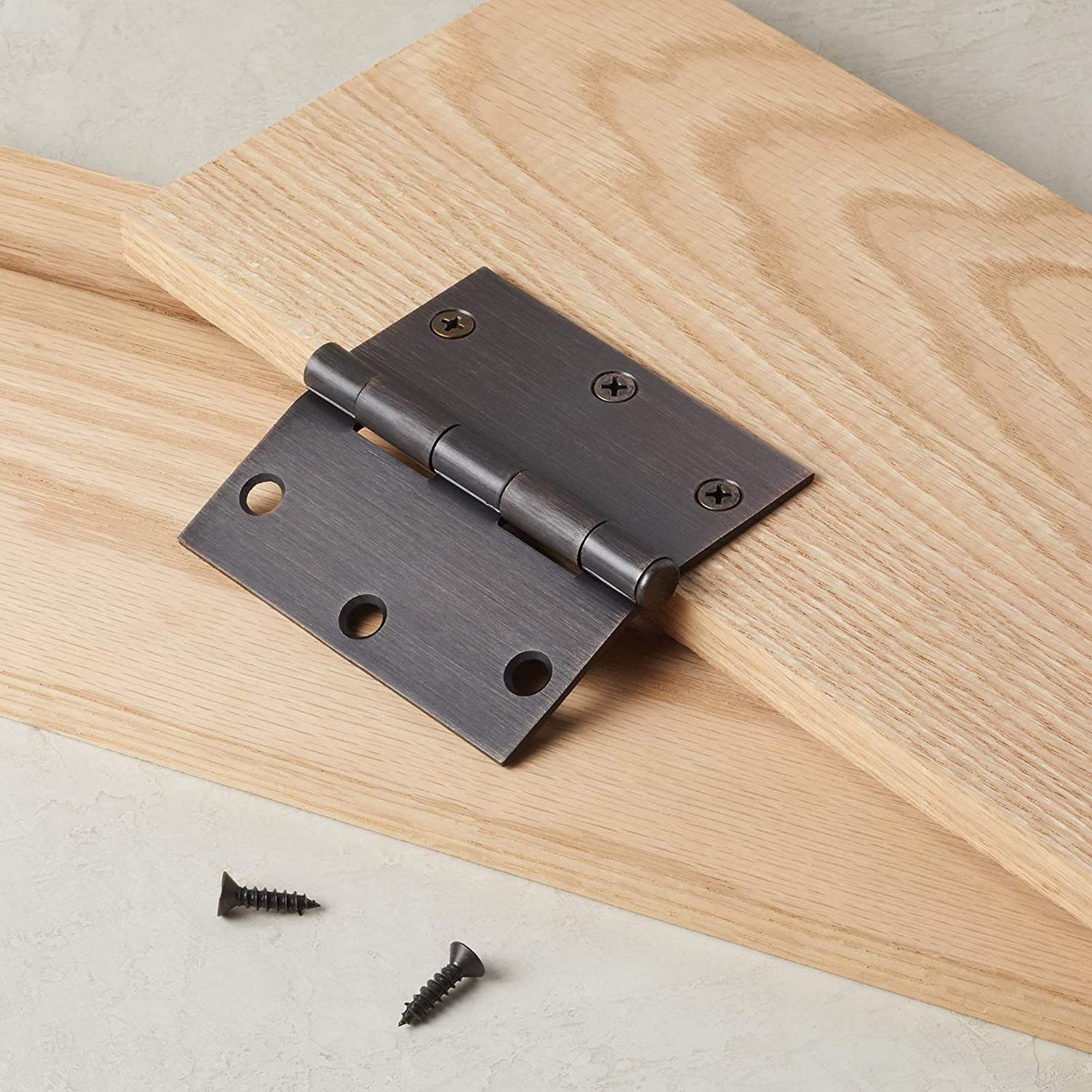
Butt hinges are one of the oldest and most basic cabinet hinge types. Each hinge has two rectangular metal plates, called leaves, joined by a pin. One leaf attaches to the cabinet frame, and the other attaches to the door. People often use butt hinges for traditional cabinets with face frames.
Main features:
Simple design
Visible when the door is open
Requires a mortise (a cutout) in both the door and frame
Best use cases:
Butt hinges work well for inset cabinet doors and solid wood cabinets. They suit classic or traditional styles.
No-mortise hinges
No-mortise hinges look similar to butt hinges but do not need a mortise. The leaves are thinner and fit together when closed, so the door sits flush with the frame.
Main features:
Easy to install
No need to cut into the wood
Leaves are almost invisible when the door is closed
Best use cases:
No-mortise hinges fit well with inset doors and lightweight cabinet doors. They help save time during installation.
European (concealed/cup) hinges
European hinges, also called concealed or cup hinges, are popular in modern cabinet hinge types. These hinges mount inside the cabinet and stay hidden when the door is closed. They use a cup that fits into a hole drilled in the back of the door.
Main features:
Fully concealed when the door is shut
Adjustable in three directions (up/down, left/right, in/out)
Often include soft-close or self-close features
Best use cases:
European hinges work best for frameless cabinets and overlay doors. They suit kitchens, bathrooms, and any place where a clean look is important.
Tip: European hinges make it easy to adjust cabinet doors after installation.
Face frame (semi-concealed) hinges
Face frame hinges, sometimes called semi-concealed hinges, attach to the face frame of the cabinet. Part of the hinge stays visible when the door is closed, while the rest hides behind the door.
Main features:
Partially visible when the door is closed
Easy to install on face frame cabinets
Available in many finishes
Best use cases:
Face frame hinges suit traditional cabinets with a visible frame. They work well for both overlay and inset doors.
Overlay hinges
Overlay hinges belong to the cabinet hinge types that allow the door to sit on top of the cabinet frame, covering it. These hinges come in different overlay sizes, which means they control how much of the frame the door covers.
Main features:
Designed for overlay doors
Available as fully concealed or semi-concealed
Easy to match with different cabinet styles
Best use cases:
Overlay hinges fit cabinets where the door covers the frame, such as many kitchen and bathroom cabinets.
Inset hinges
Inset hinges help doors fit inside the cabinet frame, creating a flush look. These hinges can be visible or hidden, depending on the style.
Main features:
Designed for inset doors
Available in both concealed and exposed styles
Often used with decorative finials or finishes
Best use cases:
Inset hinges work best for cabinets with doors that sit inside the frame. They suit furniture-style cabinets and built-ins.
Flush hinges
Flush hinges look like butt hinges but do not require a mortise. The leaves nest together when closed, so the hinge sits flush with the surface.
Main features:
No need to cut into the wood
Compact design
Visible when the door is open
Best use cases:
Flush hinges fit lightweight cabinet doors and small boxes. They offer a simple solution for quick projects.
Pivot hinges
Pivot hinges allow the door to rotate on a single point at the top and bottom. These hinges do not attach to the side of the cabinet.
Main features:
Door pivots from top and bottom
Allows for unique door movement
Often hidden from view
Best use cases:
Pivot hinges suit specialty cabinets, corner cabinets, or doors that need to swing both ways.
Barrel hinges
Barrel hinges are small, barrel-shaped hinges that fit into holes drilled into the edge of the door and cabinet.
Main features:
Completely hidden when the door is closed
Requires precise drilling
Small and compact
Best use cases:
Barrel hinges work well for small cabinets, jewelry boxes, and projects where a hidden hinge is needed.
Note: Each of these cabinet hinge types offers unique benefits. The right choice depends on the cabinet style, door type, and how much of the hinge should show.
Choosing the right hinge
Match hinge to cabinet style
Every cabinet style works best with certain hinges. Traditional cabinets often use butt or face frame hinges. Modern cabinets usually feature European or concealed hinges. Homeowners should check if their cabinet has a face frame or a frameless box. This step helps narrow down the best hinge options.
Hinge visibility: concealed vs. exposed
Some people prefer hinges that stay hidden when the door closes. Concealed hinges create a clean, modern look. Others like the decorative touch of exposed hinges. Exposed hinges can add detail to classic or rustic cabinets. The choice depends on the desired appearance.
Mounting and installation
Different hinges require different installation methods. European hinges need a cup hole drilled in the door. Butt hinges often need a mortise in both the door and frame. No-mortise and flush hinges install with simple screws. DIYers should read instructions and use the right tools for each hinge type.
Special features (soft-close, self-close)
Many modern hinges offer extra features. Soft-close hinges prevent doors from slamming. Self-close hinges pull the door shut automatically. These features add convenience and protect cabinets from damage.
Hinge finish and style
Hinges come in many finishes, such as brass, nickel, or bronze. The finish should match other hardware in the room. Some hinges have decorative tips or shapes. Homeowners can choose a style that fits their taste and cabinet design.
Tip: Always test the hinge on a sample piece before installing it on the final cabinet.
Cabinet hinge types comparison
Quick reference table
Choosing the right hinge can feel overwhelming. A quick comparison helps people see the differences at a glance. The table below lists the most common hinge types, their main features, and where they work best.
Hinge Type | Main Features | Best Uses |
|---|---|---|
Butt | Traditional, needs mortise, visible open | Inset doors, classic cabinets |
No-mortise | Easy install, no mortise, thin leaves | Inset doors, light cabinet doors |
European (Concealed/Cup) | Fully hidden, adjustable, soft-close options | Frameless, overlay doors, kitchens |
Face frame (Semi-concealed) | Partly visible, easy to install, many finishes | Face frame cabinets, overlays |
Overlay | Sits on frame, covers edge, various styles | Overlay doors, kitchens, bathrooms |
Inset | Flush fit, visible or hidden, decorative | Inset doors, furniture cabinets |
Flush | No mortise, compact, visible open | Small boxes, light doors |
Pivot | Rotates top and bottom, unique movement | Corner cabinets, specialty doors |
Barrel | Hidden, needs precise drilling, small | Small cabinets, jewelry boxes |
Tip: People should match the hinge to their cabinet style and door type for the best results.
This table gives a fast overview. It helps readers compare cabinet hinge types before making a final choice.
Cabinet hinge types include butt, no-mortise, European, face frame, overlay, inset, flush, pivot, and barrel hinges.
Each type fits different cabinet styles and needs.
Readers should match hinges to their cabinet and door style.
Tip: Ask a hardware expert for advice and test hinges before final installation.
FAQ
What are the most common cabinet hinge types?
People often see butt, European, overlay, and face frame hinges in homes. Each type fits different cabinet styles and door designs.
How can someone choose the right hinge for a cabinet?
They should check the cabinet style, door type, and how much of the hinge they want to show. Cabinet hinge types offer options for every project.
Can old cabinet hinges be replaced with new styles?
Yes. Many cabinets allow hinge upgrades. People should measure the old hinge and match it with new cabinet hinge types for the best fit.
Related articles
-
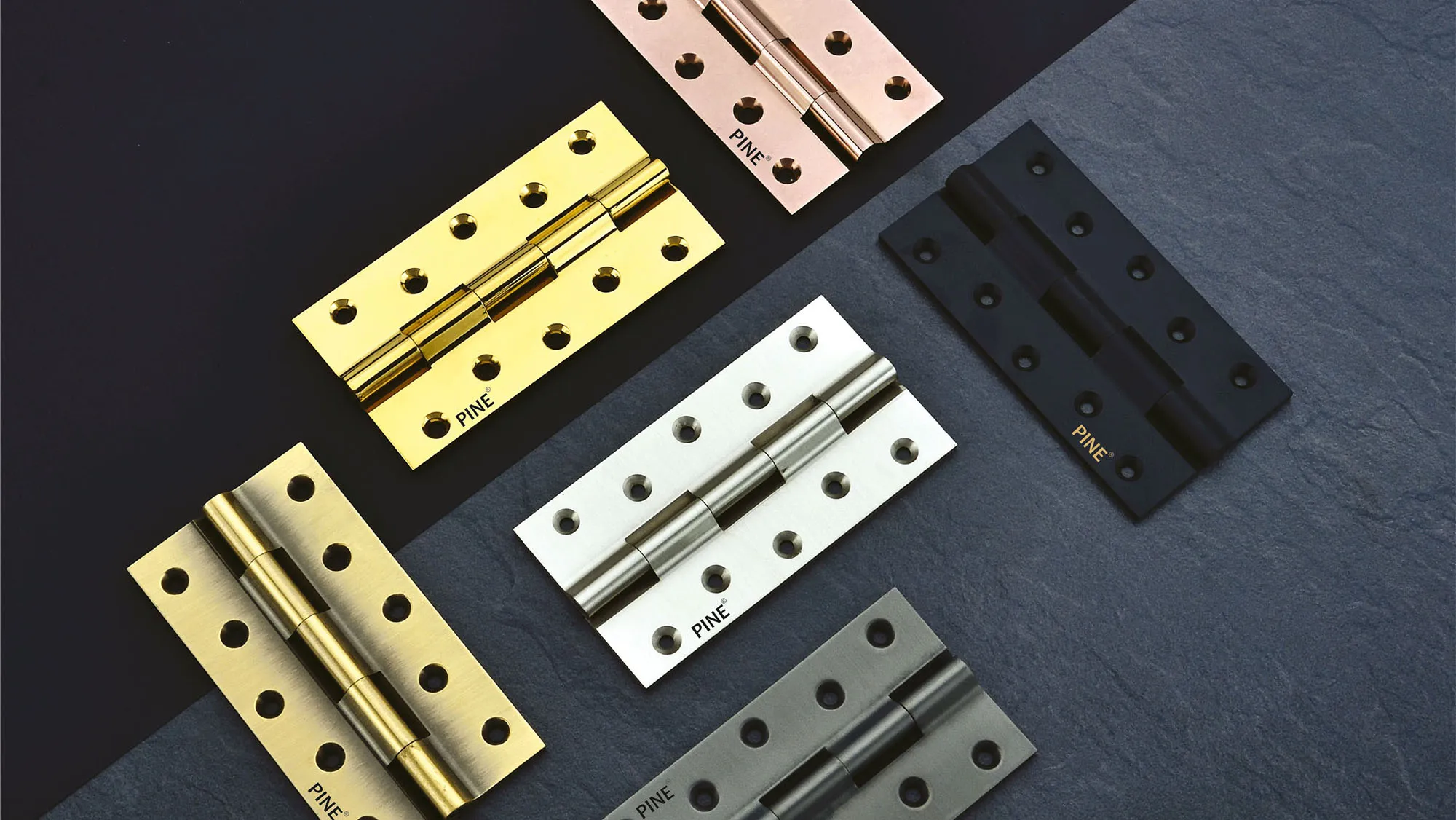
Exploring the Different Types of Cabinet Hinges: Which One is Right for Your Project?
Compare cabinet hinges types to find the best fit for your cabinet style, door overlay, and features like soft-close or concealed hinges.Dec-31-2025 Learn More >> -
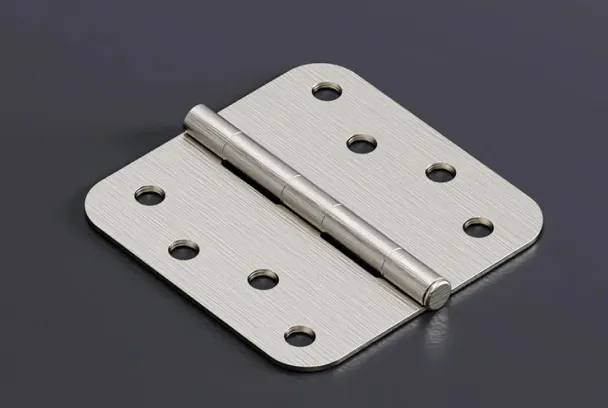
Enhance Your Doors with the Power of Steel Hinges
Steel hinges boost door strength, security, and durability while resisting rust and reducing maintenance for homes and businesses.Dec-31-2025 Learn More >> -
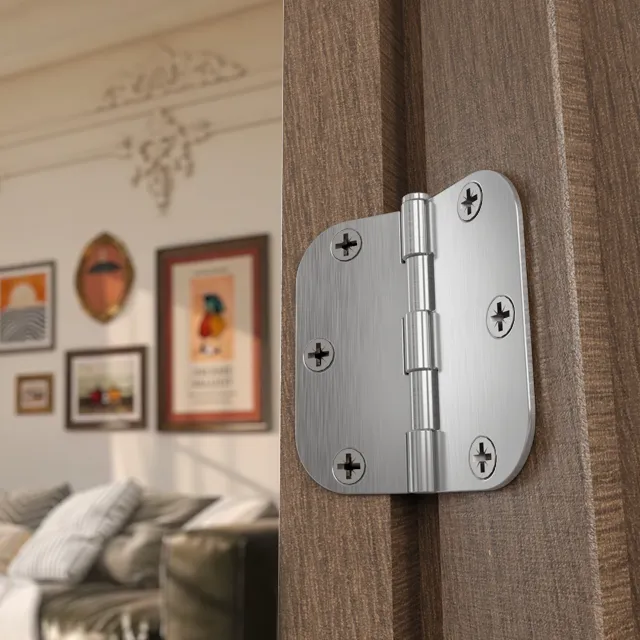
Transform Your Space: The Impact of Decorative Hinges on Home Decor
Decor hinges add style and value to your home, enhancing doors and cabinets with unique designs that blend function, durability, and visual appeal.Dec-31-2025 Learn More >>

Contact
Tel: +8613325838282
Add: 6265 Providence Way Eastvale,CA 92880
Follow Us:


