
Exploring 6 Essential Types of Furniture Hinges and Their Uses
Exploring 6 Essential Types of Furniture Hinges and Their Uses
Six essential types of furniture hinges include butt, concealed, piano, overlay, pivot, and barrel hinges. Understanding different types of hinges helps users match hinge function and application needs to furniture design. Selecting customized hinges improves furniture performance. This guide supports beginners, DIYers, and homeowners seeking practical advice.
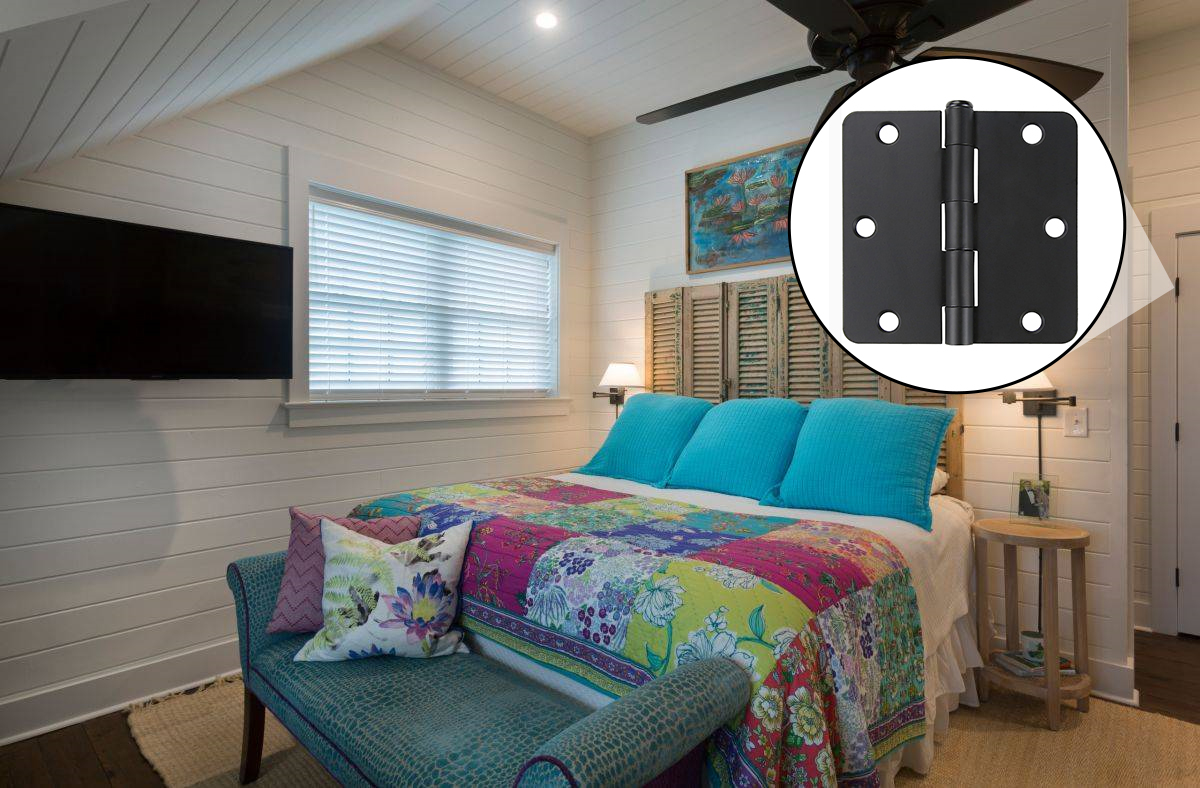
Choosing the right types of furniture hinges ensures optimal function and style.
Butt Hinges
Features
Butt hinges represent one of the most common types of hinges found in furniture construction. These hinges consist of two rectangular metal plates joined by a central pin. Each plate attaches to the edge of a door and its frame, allowing the door to swing open and closed. Butt hinges offer reliable functionality and support for doors, cabinets, and panels. Many users prefer these hinges because they provide free swinging hinges action, which means the door moves smoothly without resistance. The design of butt hinges allows for easy installation and maintenance. Some models function as removable hinges, making it simple to detach doors when needed. Butt hinges come in various sizes and finishes, which helps match the style and requirements of different furniture pieces.
Tip: Butt hinges work best when users need strong support and straightforward movement for doors or panels.
Applications
Butt hinges serve a wide range of applications in furniture making. They appear frequently on cabinet doors, wardrobes, and storage chests. Many woodworkers use butt hinges for interior doors because these hinges deliver consistent functionality and durability. In desks and tables, butt hinges help connect drop-down panels or lids, providing free swinging hinges movement for easy access. These hinges also suit heavy furniture pieces that require stable and secure attachment. Users often select butt hinges for their versatility and ability to blend with various furniture styles. The application of butt hinges extends to toolboxes, bookcases, and other household items where reliable movement is essential. When choosing hinges for furniture, consider the specific application and desired functionality to ensure the best results.
Concealed Hinges
Features
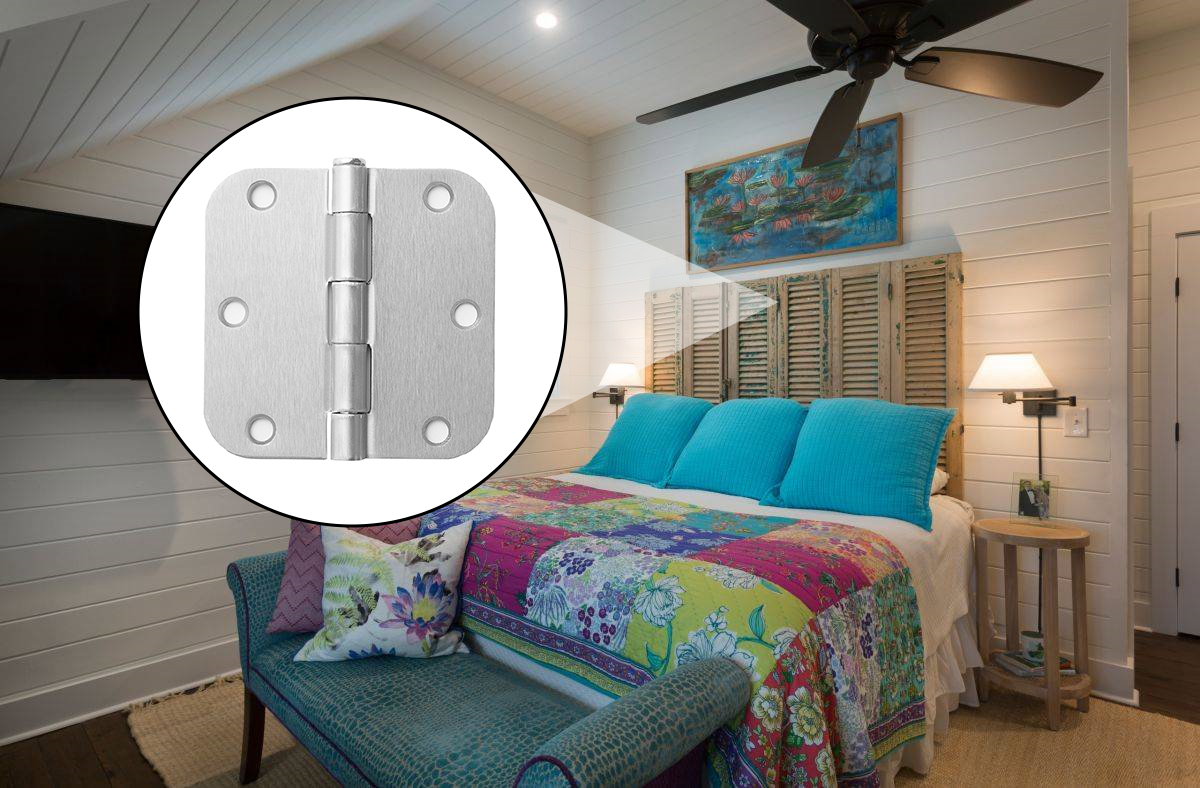
Concealed hinges, often called European hinges, remain hidden when the door closes. These hinges provide a clean and modern look for furniture. Manufacturers design concealed hinges to allow doors to open and close smoothly. The hinges attach inside the cabinet and door, which keeps them out of sight. Many people choose concealed hinges for their versatility. They adjust easily, which helps users align doors with precision. Concealed hinges offer soft-close options, which prevent doors from slamming. This feature improves the functionality of cabinets and other furniture. The hinges support various door thicknesses and styles. Users find concealed hinges ideal for projects that require a sleek appearance and reliable movement.
Note: Concealed hinges help maintain a seamless look in modern furniture designs.
Applications
Furniture makers use concealed hinges in many applications. These hinges appear most often in kitchen cabinets and bathroom vanities. Homeowners prefer concealed hinges for their ability to hide hardware and enhance cabinet aesthetics. The hinges work well in entertainment centers, wardrobes, and office furniture. Designers select concealed hinges for projects that demand both style and functionality. Cabinet hinges with a concealed design suit frameless and face-frame cabinets. The hinges also fit custom furniture pieces that require hidden hardware. In summary, concealed hinges provide strong support and smooth movement for doors in a wide range of furniture applications.
Common uses for concealed hinges:
Kitchen and bathroom cabinets
Wardrobes and closets
Entertainment centers
Office furniture
Piano Hinges
Features
Piano hinges, also known as continuous hinges, extend along the entire length of a door or lid. This design provides strong support and stability for furniture pieces that require consistent movement. Manufacturers create piano hinges from metal strips with a central pin, which allows for free swinging hinges action. The long shape distributes weight evenly, improving the functionality of doors, lids, and panels. Piano hinges often appear in projects where durability and smooth operation matter most. These hinges resist sagging and warping over time, which makes them ideal for heavy or frequently used furniture. Some piano hinges function as removable hinges, allowing users to detach panels when needed. The continuous design also helps prevent misalignment, ensuring reliable performance.
Tip: Piano hinges work well for projects that need extra support and a seamless look.
Applications
Furniture makers use piano hinges in many applications. Benches with lift-up seats often rely on these hinges for secure and smooth movement. Storage chests and toy boxes benefit from piano hinges because they provide free swinging hinges action and strong support. Long cabinet doors and fold-down desks also use piano hinges to maintain stability and enhance functionality. Designers select piano hinges for projects that require a clean appearance and consistent movement. These hinges suit furniture in schools, offices, and homes. Piano hinges help users achieve reliable results in applications where strength and durability are essential. The versatility of piano hinges makes them a popular choice for both traditional and modern furniture designs.
Common uses for piano hinges:
Benches with lift-up lids
Storage chests and toy boxes
Long cabinet doors
Fold-down desks
Overlay Hinges
Features
Overlay hinges provide a practical solution for many furniture projects. These hinges attach to the surface of the cabinet frame and the door, allowing the door to sit over the cabinet opening. Overlay hinges offer a simple installation process. They do not require mortising, which saves time and effort. The design of overlay hinges supports a wide range of door overlays, including full and partial overlays. This flexibility improves the functionality of cabinets and storage units. Overlay hinges often include adjustable screws. These screws help users align doors with precision. Many overlay hinges feature a self-closing mechanism. This feature increases the functionality of furniture by keeping doors securely shut. Overlay hinges come in various finishes and sizes, making them suitable for different styles and applications.
Overlay hinges deliver reliable performance and enhance the appearance of furniture.
Applications
Overlay hinges serve several important applications in furniture making. Cabinet makers use these hinges for kitchen and bathroom cabinets. Overlay hinges work well for wardrobes and storage units. Designers select overlay hinges for projects that require doors to cover the cabinet frame completely or partially. This application creates a clean and modern look. Overlay hinges also suit entertainment centers and office furniture. The hinges provide consistent functionality and support for doors that need frequent opening and closing. Overlay hinges help users achieve smooth movement and secure closure in many furniture applications.
Common applications for overlay hinges:
Kitchen cabinets
Bathroom vanities
Wardrobes
Storage units
Office furniture
Pivot Hinges
Features
Pivot hinges create a unique style of motion for doors and panels in furniture. These hinges use a central pin that allows the door to rotate on a single point at the top and bottom. The design supports smooth motion and enables doors to swing in both directions. Pivot hinges often appear in modern furniture because they offer a clean look and reliable performance. The hinges install at the ends of the door, not on the side, which changes the way the door moves. This type of motion works well for heavy or large doors that need extra support. Some pivot hinges function as removable hinges, making it easy to take off doors for cleaning or repairs.
Note: Pivot hinges allow doors to rotate with minimal resistance, which improves the overall motion and usability of furniture.
Applications
Furniture makers use pivot hinges in several creative ways. These hinges suit rotating doors, hidden panels, and room dividers. Designers choose pivot hinges for bookcases with secret compartments or cabinets with swinging doors. The hinges also work well for display cases that need smooth motion and easy access. Pivot hinges help create revolving shelves in entertainment centers or kitchen islands. Many architects use these hinges for doors in modern homes, where motion and style matter. Pivot hinges provide strong support for large panels and help maintain consistent motion over time.
Typical applications for pivot hinges:
Rotating doors in cabinets
Hidden panels in bookcases
Room dividers
Display cases
Revolving shelves
Pivot hinges offer a practical solution for furniture projects that require special motion and reliable hinges.
Barrel Hinges
Features
Barrel hinges offer a compact and discreet solution for many furniture projects. These hinges feature a cylindrical shape that fits into a drilled hole on the edge of a door or panel. The design allows the hinge to remain almost invisible when the door closes. Manufacturers often use brass or steel to produce barrel hinges, which increases durability and resistance to wear. The installation process requires precise drilling, but the result provides a clean and professional appearance. Barrel hinges support smooth movement and reliable function for small doors and lids. The compact size makes these hinges ideal for projects where space is limited or where a hidden hinge is preferred.
Tip: Barrel hinges work best for furniture pieces that need a minimalist look and secure closure.
Applications
Barrel hinges serve a variety of uses in furniture making. Woodworkers often choose these hinges for small boxes, such as jewelry cases or keepsake chests. The hinges provide a neat and unobtrusive way to attach lids or doors. Cabinet makers use barrel hinges for specialty cabinets that require hidden hardware. Designers select these hinges for custom furniture projects, including display cases and secret compartments. Barrel hinges also appear in humidors, instrument cases, and decorative storage units. The compact design allows the hinges to blend seamlessly with the furniture, enhancing both style and function.
Common applications for barrel hinges:
Jewelry boxes
Specialty cabinets
Display cases
Secret compartments
Decorative storage units
Barrel hinges give furniture makers a practical option for projects that demand a clean look and reliable movement.
Types of Furniture Hinges: Comparison
Quick Reference Table
The table below helps readers compare the most essential types of furniture hinges. Each type offers unique features and suits specific applications. This guide assists users in selecting the right hinge for their furniture projects.
Hinge Type | Features | Best Application | Motion Style | Cabinet Use | Removable Hinges |
|---|---|---|---|---|---|
Butt Hinges | Strong, simple, easy to install | Doors, panels, storage chests | Free swinging | Yes | Yes |
Concealed Hinges | Hidden, adjustable, soft-close | Kitchen cabinets, wardrobes | Smooth, seamless | Yes | No |
Piano Hinges | Long, continuous, stable support | Benches, lids, long doors | Consistent, sturdy | Yes | Yes |
Overlay Hinges | Surface-mounted, self-closing | Cabinets, wardrobes, storage | Reliable, secure | Yes | No |
Pivot Hinges | Rotates on top and bottom pins | Rotating doors, panels, dividers | Unique, dual motion | Yes | Yes |
Barrel Hinges | Compact, hidden, neat appearance | Boxes, display cases, cabinets | Smooth, minimal | Yes | No |
Tip: Users should match the types of furniture hinges to the motion and application needs of their furniture.
Many projects require cabinet hinges that support specific motion styles. Different types of hinges provide solutions for various cabinet designs. Some hinges, such as butt and piano hinges, function as removable hinges, which helps with repairs or cleaning.
Other types of furniture hinges exist for special uses. Knife hinges work well for flush doors. Detent hinges hold doors open at set angles. Strap hinges suit rustic furniture. Lid stays control the motion of lids and prevent slamming.
Note: Exploring different types of hinges expands options for furniture makers and DIY enthusiasts.
Selecting hinges that match cabinet and furniture design improves function and style. Readers should consider application needs, cabinet material, and installation skill. The comparison table helps users choose hinges quickly. Testing hinges on scrap material or consulting hardware experts supports better furniture design and cabinet performance.
FAQ
What is the best way to choose hinges for a new cabinet?
He should measure the door size and weight. They should select hinges that match the cabinet style and provide the right support.
Can someone install hinges without special tools?
They can install most hinges with basic tools like a screwdriver and drill. Some types may need careful measuring for proper alignment.
How often should people check or replace furniture hinges?
They should check hinges every year. If doors sag or squeak, they should replace the hinges to keep furniture working well.
Related articles
-
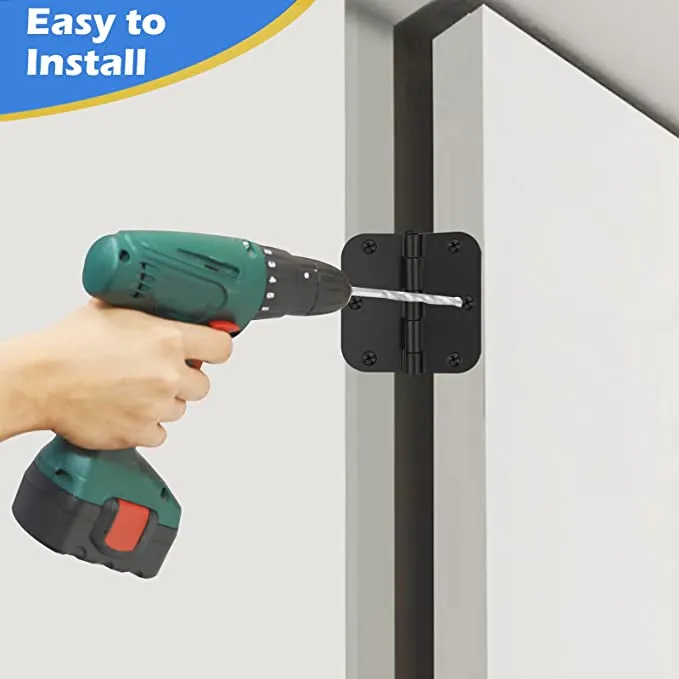
How to Choose the Best Hinge Pin for Your Project
Select the best hinge pin by matching door type, weight, and environment for safety, durability, and smooth operation in any project.Jan-09-2026 Learn More >> -
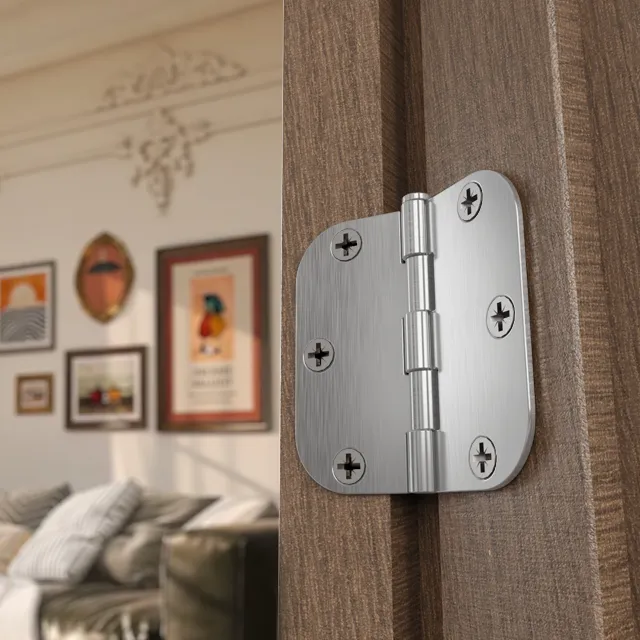
The Importance of Custom Hinges in Modern Design
Custom hinges enhance modern design by improving durability, safety, and seamless style integration for doors, cabinets, and panels.Jan-09-2026 Learn More >> -
Exploring the Benefits of Spring Hinges for Your Home
Spring for hinge boosts home safety, reduces noise, and helps protect kids and pets while supporting energy efficiency in every room.Jan-09-2026 Learn More >>

Contact
Tel: +8613325838282
Add: 6265 Providence Way Eastvale,CA 92880
Follow Us:


