
Exploring the Versatility of Butt Hinges: Applications Beyond Doors
Exploring the Versatility of Butt Hinges: Applications Beyond Doors
The butt hinge shows remarkable versatility in many settings, offering strength and adaptability for various projects. Designers trust its reliable construction and flexible design options. TDC stands out as a top supplier of advanced hinge solutions. Creative individuals often discover new ways to use butt hinges in unexpected applications.
Butt Hinge Basics
Design and Function
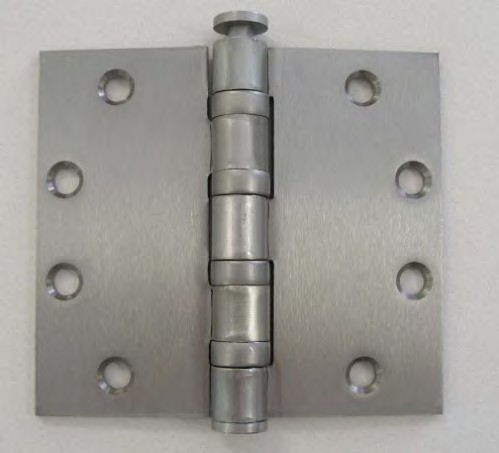
A butt hinge is a simple yet effective mechanical device that connects two objects and allows them to pivot smoothly. Most people recognize this hinge from doors, but its design makes it useful for many other applications. The butt hinge has three main parts: the leaf, the knuckle, and the pin. Each part plays a specific role in the hinge’s operation.
Component | Description |
|---|---|
Leaf | The flat plate that attaches to the surface, such as a door or frame, providing support and stability. |
Knuckle | The cylindrical section where the leaves meet, forming a joint that allows them to pivot. |
Pin | The rod inserted through the knuckle, holding the leaves together and enabling rotation. |
The mechanical design of a butt hinge gives it strength and durability. The thickness and size of the leaf, the length and diameter of the knuckle, and the material and diameter of the pin all contribute to how much weight the hinge can support.
Key Benefits
A butt hinge offers several advantages over other hinge types:
Easy installation and replacement, even for beginners.
High durability and resistance to chemicals, harsh conditions, and corrosion.
Strong security and sturdiness, even in a compact form.
Attractive appearance that can enhance the look of furniture or fixtures.
TDC provides a wide range of butt hinge options to suit different needs. Customers can choose from steel, stainless steel, brass, bronze, aluminum, and more. Stainless steel hinges from TDC resist rust and corrosion, making them ideal for outdoor or marine use. The company also offers many finishes, such as satin nickel, to match any design style. TDC manufactures all hinges in-house, ensuring consistent quality and performance for every project.
Applications Beyond Doors
Cabinets and Storage
Cabinets and storage units often require hinges that can support heavy doors and withstand frequent use. The butt hinge stands out in these applications because of its robust weight-bearing capacity. Many historical renovations rely on butt hinges for their durability, especially when restoring old cabinets with solid wood doors. Unlike concealed hinges, which may offer a cleaner look, butt hinges provide superior support for heavier doors. This feature improves the functionality and longevity of cabinet doors in demanding environments. TDC offers a wide selection of butt hinges for cabinets, including stainless steel and brass options. Their hinges come in various sizes and finishes, allowing designers to match the hardware to the style of the cabinetry. TDC’s customization services enable clients to specify dimensions and finishes, ensuring that each hinge fits perfectly and enhances the overall design.
Windows and Shutters
Windows and shutters benefit from butt hinges in several ways. These hinges allow for easy installation and provide a full range of motion, making it simple to open and close windows or shutters. When concealed, butt hinges create a clean appearance that does not distract from the window frame or shutter design.
Easy installation
Full range of motion
Clean appearance when concealed
Security and weather resistance are important considerations for windows and shutters. The choice of hinge material can make a significant difference. The following table highlights how different materials improve performance:
Material Type | Benefits |
|---|---|
Heavy-duty cast iron | Provides strength and durability against break-in attempts and weather elements. |
Powder-coated stainless steel | Offers maximum strength and resistance to corrosion, enhancing weather resistance. |
Acme hinge with locking pintle | Prevents lift-off during strong winds, improving overall weather resistance. |
TDC’s butt hinges for windows and shutters include rustproof stainless steel models and heavy-duty cast iron options. These hinges help protect homes and buildings from harsh weather and unauthorized entry. TDC’s OEM/ODM services allow architects and builders to request specialized finishes or locking mechanisms for added security.
Furniture and Toolboxes
Furniture makers and toolbox manufacturers often choose butt hinges for their reliability and design flexibility. These hinges appear in kitchen cabinets, wardrobes, office furniture, vehicle doors, toolboxes, and machinery panels. The butt hinge ensures smooth movement and long-lasting performance in these products.
Suitable for roll-top desks
Ideal for antique trunks
Enhances functionality in custom furniture
Custom furniture and toolboxes require hinges that fit unique designs. TDC provides customizable butt hinges with tailored dimensions, a variety of finishes, and flexible mounting options. The table below shows how these features support design flexibility:
Feature | Description |
|---|---|
Customizable Dimensions | Hinge dimensions can be tailored to fit specific furniture or toolbox designs. |
Various Finishes | Options for different finishes enhance aesthetic appeal in custom projects. |
Mounting Options | Flexibility in mounting allows for integration into diverse designs and functionalities. |
TDC’s design collaboration process helps clients create hinges that match their brand and style. Their in-house manufacturing ensures consistent quality and fast turnaround for custom orders.
Specialty Equipment
Specialty equipment, such as industrial machinery, medical devices, and security enclosures, demands hinges that offer exceptional performance. The butt hinge excels in these environments because of its load-bearing capacity and resistance to wear. TDC’s heavy-duty butt hinges support frequent use and enhance operational efficiency.
Exceptional load-bearing capacity.
Resistance to wear in high-stress environments.
Ideal for frequent use, enhancing operational efficiency.
The following table summarizes the benefits of TDC butt hinges in specialty equipment:
Feature | Benefit |
|---|---|
Strength and Stability | Supports heavy loads, enhancing reliability. |
Corrosion Resistance | Ensures longevity in demanding environments. |
Tamper-Proof Design | Increases security and operational reliability. |
TDC offers a wide range of customization options for specialty equipment. Clients can request specialized bearing surfaces, sealed designs, integrated mounting flanges, hollow pin designs for wire management, and custom finishes. These features allow TDC butt hinges to meet the unique requirements of any project.
Tip: Regular maintenance and choosing the right hinge for each application help prevent loosening and security risks. TDC’s experts can assist with selecting the best hinge and provide guidance on installation and upkeep.
Design and Aesthetics
Material and Finish Choices
The choice of material and finish plays a key role in both the appearance and durability of a butt hinge. Designers select from options like polished brass, matte black, and stainless steel to match the style of their projects. These finishes do more than add visual appeal. They also protect the hinge from corrosion and wear, especially in humid or coastal environments. Stainless steel offers rust resistance and a sleek look, making it popular for kitchens and bathrooms. Brass brings a sophisticated touch to furniture and cabinetry. Coated iron provides affordability and strength for industrial settings.
Polished brass and matte black finishes enhance visual appeal.
Stainless steel and coated iron improve corrosion resistance.
Brass adds elegance, while coated iron offers durability at a lower cost.
TDC supplies butt hinges in a wide range of finishes and materials. Their rustproof stainless steel options ensure long-lasting performance. Clients can work with TDC’s engineers to select the best finish for each project, using the design collaboration process to finalize specifications.
Integrating Style and Function
Modern architectural projects demand hardware that blends style with function. Minimalism shapes many design choices, with hinges often serving as subtle design statements. Popular finishes like matte black and oil-rubbed bronze create timeless looks. Concealed hinges provide a clean aesthetic by hiding hardware from view. Soft-close mechanisms allow doors to close quietly and gently, improving usability.
Trend | Description |
|---|---|
Minimalism | Hinges serve as subtle design statements. |
Concealed Hinges | Hardware remains hidden for a clean look. |
Soft-Close Mechanisms | Doors close quietly and gently. |
Eco-Friendly Materials | Hinges use responsibly sourced materials. |
TDC’s butt hinge solutions combine reliable support with attractive finishes. Their design collaboration process helps clients achieve both style and function, ensuring each hinge fits the project’s needs.
Butt hinges support many creative solutions, such as foldable tables, articulated mirrors, and collapsible stairs. TDC delivers reliable, customizable hinge options that meet strict standards like ANSI/BHMA and CE Marking.
Certification | Description |
|---|---|
ANSI/BHMA A156.1 | Commercial hinge performance |
CE Marking | EU product safety compliance |
Designers continue to discover new ways to use butt hinges in their projects.
FAQ
What makes TDC butt hinges suitable for outdoor use?
TDC uses stainless steel and rustproof finishes. These materials resist corrosion and weather damage. Outdoor projects benefit from long-lasting performance.
Can TDC customize butt hinges for unique projects?
TDC offers OEM and ODM services. Clients work with engineers to choose dimensions, materials, and finishes. Customization ensures each hinge fits the project.
How does a butt hinge differ from a concealed hinge?
A butt hinge shows its leaves when installed. A concealed hinge hides inside the cabinet or door. Butt hinges provide more strength for heavy applications.
Related articles
-
_7.webp)
Black door hinges make any room look stylish
Black door hinges add bold contrast and timeless style, making any room look more sophisticated while matching both modern and classic decor.Dec-01-2025 Learn More >> -
.webp)
The Benefits of Choosing Residential Pivot Hinges for Your Home
Residential pivot hinges offer modern style, smooth operation, and lasting strength for your home's doors, making them a smart upgrade for any space.Dec-01-2025 Learn More >> -
.jpg)
Which residential interior door hinges are best for you
Find the best residential interior door hinges by comparing hinge types, materials, finishes, and features for your home's needs.Dec-01-2025 Learn More >>

Contact
Tel: +8613325838282
Add: 6265 Providence Way Eastvale,CA 92880
Follow Us:


