Choosing the best hinge pin requires careful evaluation of project demands. Different hinge pin types support various door weights and usage levels. Selecting the proper hinge pin enhances safety, durability, and visual appeal. They should assess door type, weight, and how often doors open or close before making a decision.
What Is a Hinge Pin
Basic Function
A hinge pin serves as the central rod that holds the two leaves of a hinge together. It allows the connected parts, such as doors or cabinets, to pivot smoothly. The hinge pin fits through the knuckles of the hinge and keeps the assembly secure. When someone opens or closes a door, the hinge pin supports the movement and carries the weight.
Tip: Removing the hinge pin makes it easy to take a door off its frame for repairs or painting.
Most hinge pins are made from steel, brass, or stainless steel. These materials provide strength and resist wear. The size and shape of the hinge pin must match the hinge and the project requirements.
Why Choice Matters
Selecting the right hinge pin impacts the safety and performance of any project. A strong hinge pin prevents sagging and ensures smooth operation. If someone chooses the wrong hinge pin, the door may squeak, bind, or even fail.
Heavy doors need thicker and stronger hinge pins.
Outdoor projects require corrosion-resistant materials.
High-traffic areas benefit from durable hinge pins.
A well-chosen hinge pin also improves the appearance of doors and cabinets. Matching the finish and style creates a polished look. Careful selection leads to longer-lasting and safer installations.
Types of Hinge Pins
Butt Hinge Pins
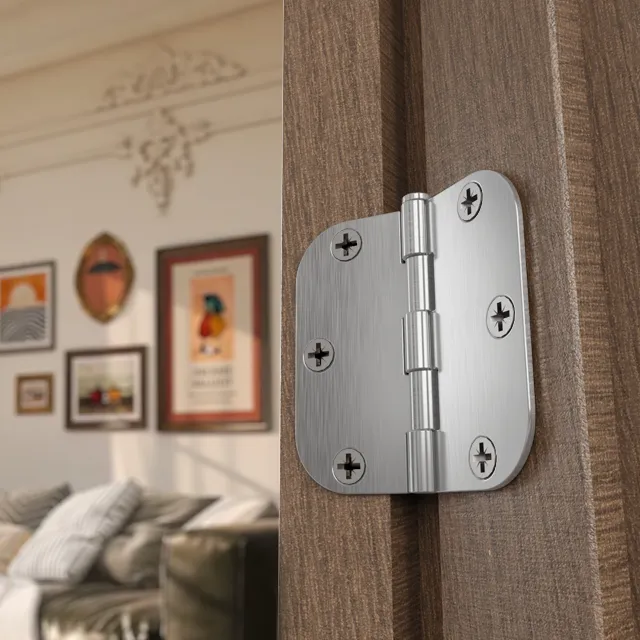
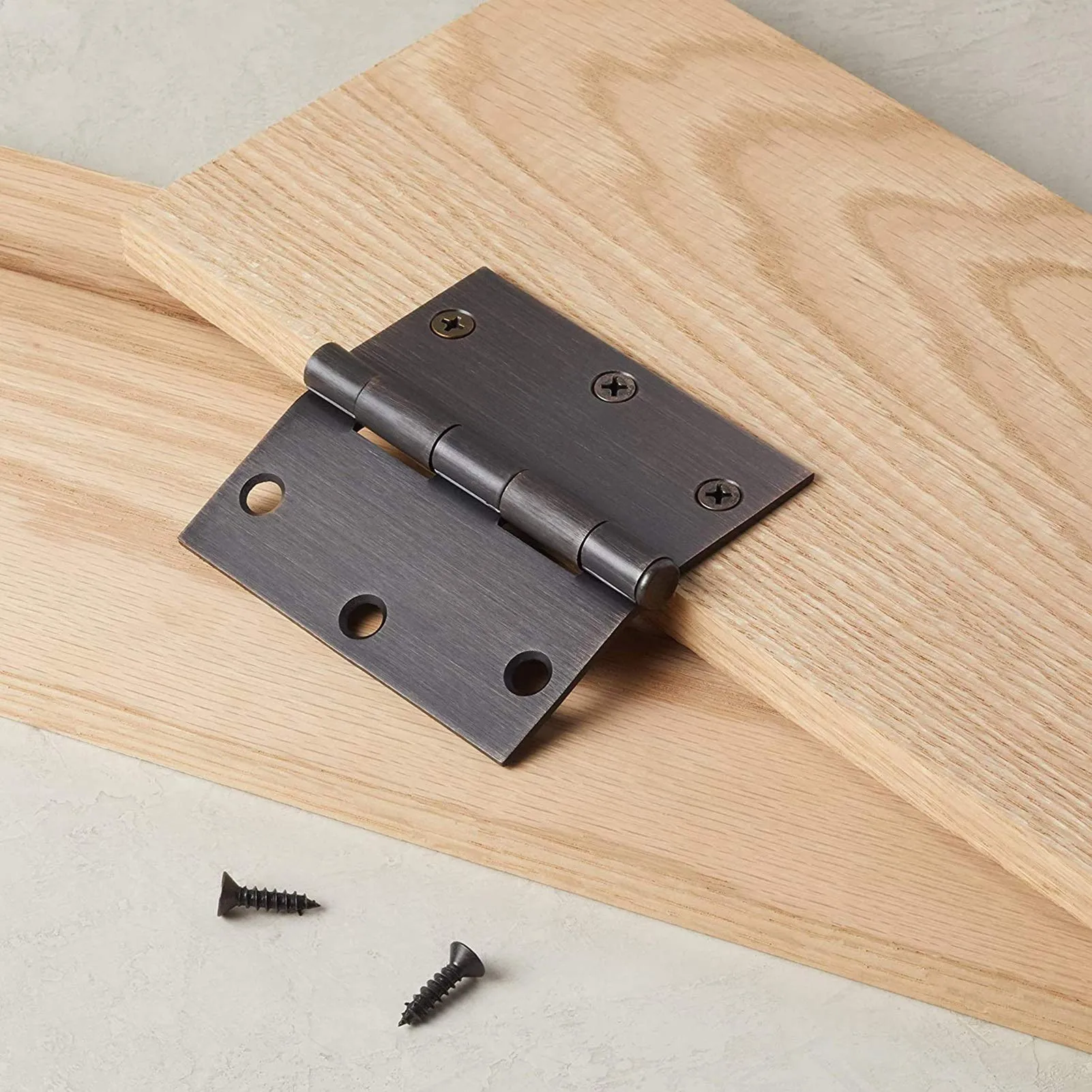
Butt hinge pins appear most often in residential and commercial doors. They fit between two rectangular plates, or leaves, that mount to the door and frame. This hinge pin supports moderate to heavy doors and allows smooth swinging action. Builders choose butt hinge pins for interior and exterior doors because they offer strength and a classic look.
Note: Butt hinge pins work best when the door and frame align perfectly. This ensures long-lasting performance.
Concealed Hinge Pins
Concealed hinge pins remain hidden when the door closes. Cabinet makers and furniture designers prefer this type for a clean, modern appearance. The hinge pin sits inside the hinge mechanism, so it does not interrupt the surface. Concealed hinge pins suit kitchen cabinets, wardrobe doors, and high-end furniture.
Pivot Hinge Pins
Pivot hinge pins allow doors to rotate from a single point at the top and bottom. They support heavy or oversized doors, such as those in commercial buildings or entryways. This hinge pin type handles frequent use and large weights. Architects select pivot hinge pins for revolving doors and room dividers.
Specialty Hinge Pins
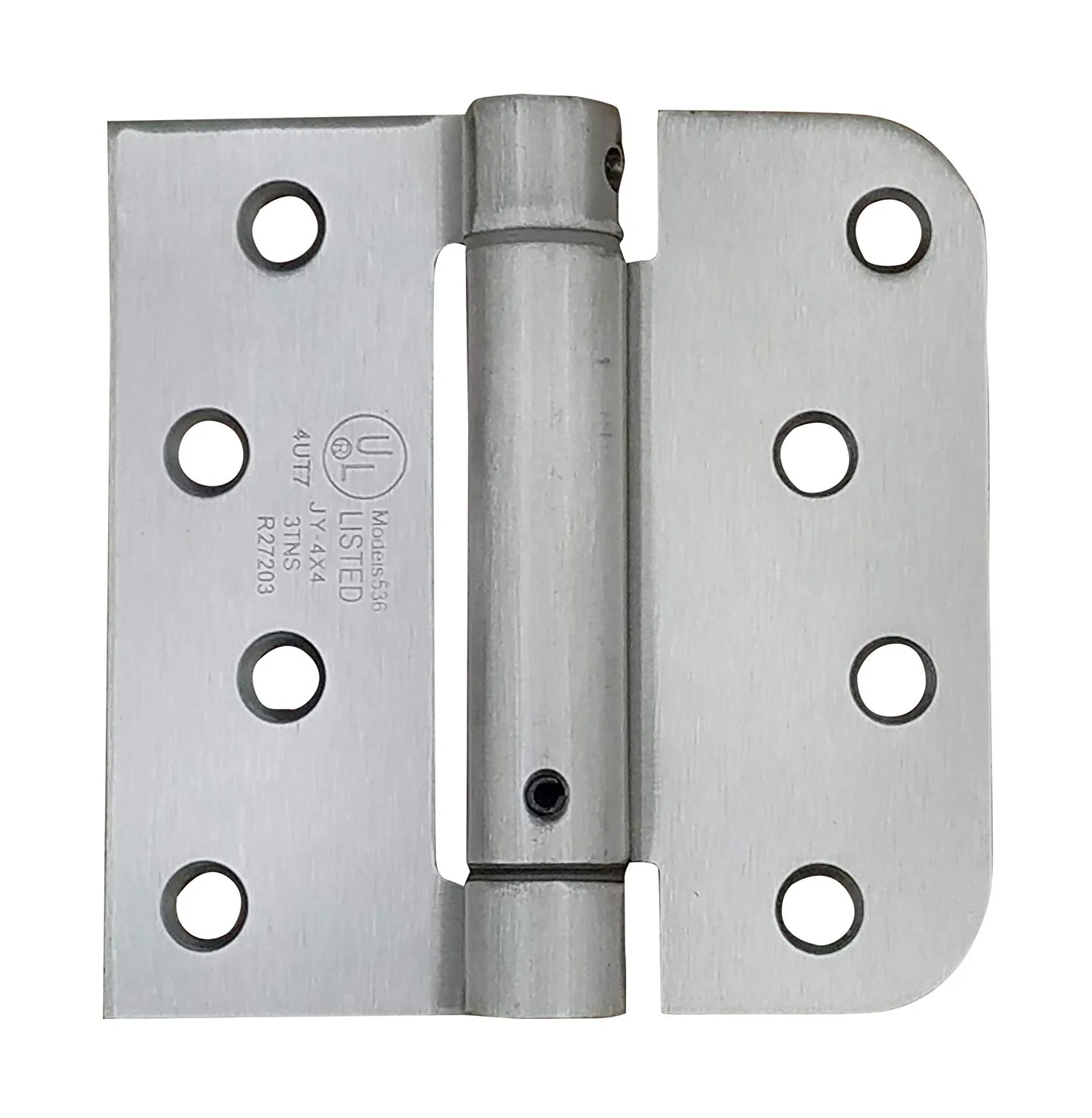
Specialty hinge pins include options like spring-loaded, security, and decorative pins. Each serves a unique purpose. For example, spring-loaded pins help doors close automatically, while security pins prevent tampering. Decorative pins add style to visible hinges. Matching the right specialty hinge pin to the project improves both function and appearance.
Choosing the correct hinge pin type ensures the door operates smoothly and matches the project's style.
Hinge Pin Applications
Residential Doors
Homeowners rely on strong and reliable hinges for interior and exterior doors. Butt hinges with removable pins allow easy door removal for maintenance or painting. Many choose steel or brass pins for their strength and classic appearance. Proper alignment ensures smooth operation and prevents sagging.
Tip: For heavy entry doors, installers often select thicker pins to support extra weight and increase security.
Cabinets and Furniture
Cabinet makers and furniture designers often use concealed pins. These pins create a seamless look and keep hardware hidden from view. Small pivot pins work well for lightweight cabinet doors and decorative furniture pieces. Designers match the finish of the pin to the hardware for a cohesive style.
Commercial and Industrial
Factories, offices, and public buildings require durable hinge solutions. Pivot pins support large, heavy doors that see frequent use. Security pins prevent tampering in high-traffic areas. Stainless steel pins resist wear and corrosion, making them ideal for demanding environments.
Application | Recommended Pin Type |
|---|
Office entry doors | Pivot or butt pins |
Warehouse gates | Heavy-duty pivot pins |
Secure rooms | Security pins |
Outdoor Projects
Outdoor gates, sheds, and garden structures face harsh weather. Installers choose stainless steel or galvanized pins to prevent rust. Spring-loaded pins help gates close automatically, improving safety. Proper material selection extends the life of outdoor installations.
Note: Regular inspection and lubrication keep outdoor hinges working smoothly.
Key Factors for Choosing a Hinge Pin
Door Type and Weight
Every project starts with the door. The size and weight of the door determine the strength and style of the hinge pin. Heavy entry doors need thicker and stronger pins. Lightweight cabinet doors require smaller pins. Installers often follow a simple rule: use one hinge for every 30 inches of door height. For example, a standard 80-inch door needs three hinges. Adding a fourth hinge increases support for extra-tall or heavy doors.
Tip: Always measure the door before selecting hardware. Oversized or solid-core doors place more stress on the hinges and pins.
Frequency of Use
Doors in busy areas open and close many times each day. High-traffic locations, such as schools or offices, need durable hinge pins that resist wear. Low-traffic doors, like closet or utility doors, can use lighter pins. Frequent use also means more stress on the hinge assembly. Choosing a pin designed for heavy use prevents squeaks and sagging.
Material Compatibility
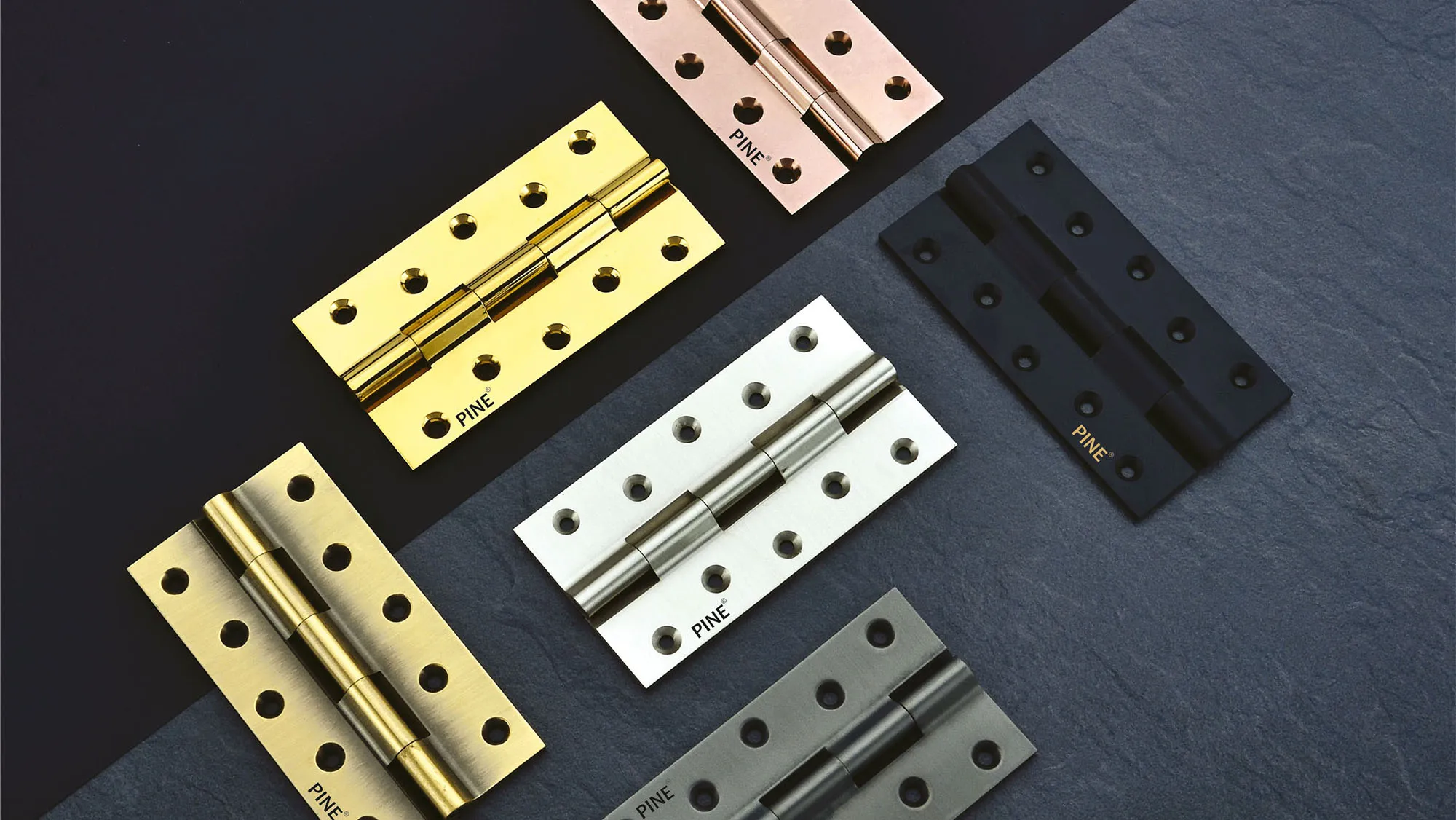
The material of the hinge pin must match the hinge and the door. Steel pins provide strength for most residential and commercial doors. Brass pins resist corrosion and add a classic look. Stainless steel pins work best for outdoor or humid environments. Mixing metals can cause corrosion or weaken the hinge. Always check the manufacturer’s recommendations for material compatibility.
Door Material | Recommended Pin Material |
|---|
Wood | Steel or Brass |
Metal | Stainless Steel |
Exterior | Stainless Steel |
Environmental Conditions
Weather and location affect hinge performance. Outdoor gates and doors face rain, snow, and humidity. Stainless steel or galvanized pins resist rust and last longer outside. Indoor doors in kitchens or bathrooms may also need corrosion-resistant pins. In coastal areas, salt in the air can speed up rust. Installers should choose pins that match the environment for best results.
Note: Regular cleaning and lubrication help prevent rust and keep hinges working smoothly.
Security and Durability
Security matters for exterior doors and public buildings. Security hinge pins prevent removal from the outside. Spring-loaded or locking pins add extra protection. Durability also depends on the quality of the pin and the installation. Poorly installed pins can fail even if the material is strong. Installers should follow all instructions and check the fit before finishing the job.
Callout: Proper installation and regular maintenance extend the life of any hinge pin. Lubricate moving parts and inspect for wear at least once a year.
Match Features to Project
Selection Tips
Selecting the right hinge pin for a project involves a clear process. First, identify the type and weight of the door or panel. Heavier doors require thicker and stronger pins. Next, consider the environment. Outdoor projects need corrosion-resistant materials, such as stainless steel. For indoor applications, match the finish of the pin to the hardware for a cohesive look.
Check the frequency of use. High-traffic doors benefit from heavy-duty pins. For cabinets or furniture, concealed or decorative pins often work best. Always measure the hinge and door before purchasing. This ensures a proper fit and smooth operation.
Tip: Create a checklist of requirements before shopping. This helps avoid missing important details.
Common Mistakes
Many installers make similar errors when choosing a hinge pin. They may select a pin that is too small for a heavy door, leading to sagging or failure. Others ignore the environment and use non-resistant materials outdoors, which causes rust. Some forget to match the pin style to the hardware, resulting in a mismatched appearance.
Another common mistake involves skipping regular maintenance. Even the best hinge pin needs occasional lubrication and inspection. Neglecting this step can shorten the lifespan of the hardware.
Mistake | How to Avoid |
|---|
Wrong size | Measure before buying |
Poor material choice | Match to environment |
Style mismatch | Coordinate with hardware |
Lack of maintenance | Schedule regular checks |
Selecting the best hinge pin involves these steps:
Identify door type, weight, and usage.
Match hinge pin features to project needs.
Choose materials for durability and style.
Tip: Installers should follow instructions and schedule regular maintenance. Proper hinge pin selection ensures safety, longevity, and a polished look.
FAQ
What is the most durable hinge pin material?
Stainless steel offers the highest durability. It resists corrosion and wear, making it ideal for outdoor and high-traffic applications.
How often should someone lubricate hinge pins?
Experts recommend lubricating hinge pins every six to twelve months. Regular maintenance prevents squeaks and extends hinge life.
Can a homeowner replace a hinge pin without professional help?
Yes, most homeowners can replace hinge pins using basic tools.
They should follow manufacturer instructions for safe and proper installation.