
The Importance of Custom Hinges in Modern Design
The Importance of Custom Hinges in Modern Design
Designers rely on custom hinges to achieve smooth movement and a polished look. These small components support doors, cabinets, and panels in homes and public spaces. Quality hinges help prevent sagging and misalignment, which keeps daily use safe and reliable.
Functional Value Of Custom Hinges
Durability And Safety
Custom hinges play a vital role in the strength and security of modern furniture and architectural elements. Manufacturers design these hinges to handle repeated use without wearing out quickly. Strong materials like stainless steel or brass help prevent rust and corrosion. This durability means doors and panels stay aligned and function smoothly for years.
Safety also improves with custom hinges. Designers can select hinges that support heavy doors or panels, reducing the risk of accidents. For example, soft-close hinges prevent doors from slamming shut, which protects fingers and reduces noise. In public spaces, heavy-duty custom hinges keep entryways secure and stable, even with frequent use.
Tip: Always check the weight rating of a hinge before installation. Using the right hinge keeps users safe and extends the life of the furniture.
Enhanced Usability
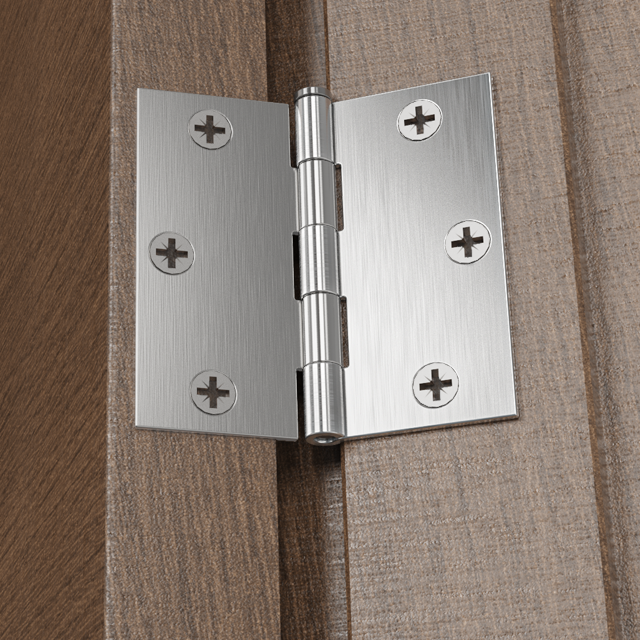
Custom hingesmake everyday tasks easier and more comfortable. They allow doors, cabinets, and panels to open and close with less effort. Some hinges offer features like self-closing or adjustable tension, which help users of all ages and abilities.
A well-chosen hinge can improve accessibility. For example, wide-opening hinges let cabinet doors swing open fully, giving better access to the contents inside. In kitchens and bathrooms, custom hinges support smooth movement, even in tight spaces. This attention to usability helps everyone enjoy a more convenient and efficient environment.
Self-closing hinges: Keep doors shut automatically.
Lift-off hinges: Allow quick removal of doors for cleaning or repairs.
Adjustable hinges: Let users fine-tune alignment for perfect fit.
Concealed And Invisible Hinges
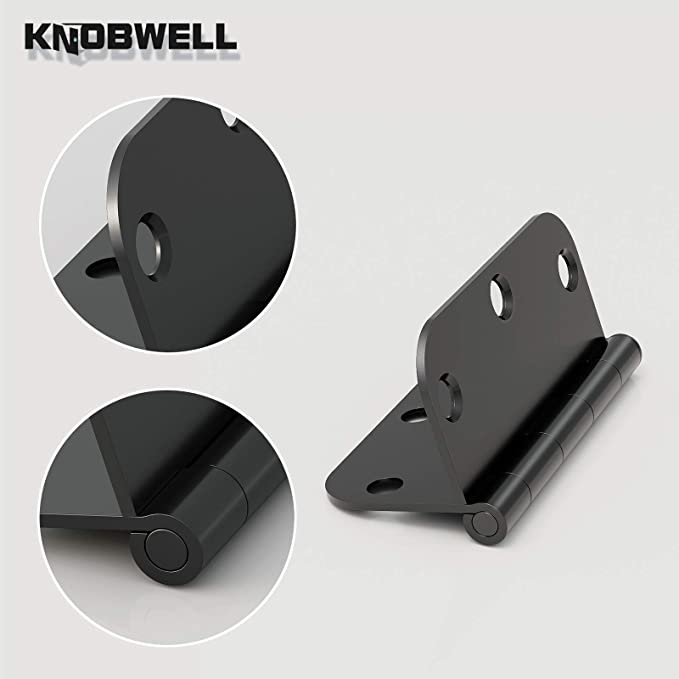
Modern design often calls for clean lines and seamless surfaces. Concealed and invisible hinges meet this need by hiding the hardware from view. These hinges sit inside the door or panel, so only the smooth exterior shows.
Invisible hinges not only look sleek but also add to safety. With no exposed parts, there is less chance of catching clothing or fingers. Designers use these hinges in high-end cabinetry, hidden doors, and minimalist interiors. The result is a polished look that does not sacrifice function.
Hinge Type | Visibility | Common Use Cases |
|---|---|---|
Concealed Hinge | Hidden | Cabinets, furniture |
Invisible Hinge | Fully hidden | Secret doors, wall panels |
Traditional Hinge | Visible | Standard doors, gates |
Custom hinges give designers the freedom to match both style and function. By choosing the right hinge, they create spaces that are safe, durable, and easy to use.
Aesthetic Impact And Innovation
Seamless Design Integration
Designers often seek ways to create smooth and uninterrupted surfaces in modern interiors. Custom hinges help achieve this goal by blending into the background or matching the surrounding materials. These hinges allow doors and panels to sit flush with walls or cabinetry. The result is a clean look that supports minimalist design trends.
Some architects use custom hinges to hide hardware completely. They select hinges that fit inside the door or frame, making them invisible when the door closes. This approach keeps the focus on the overall design rather than the mechanical parts. Seamless integration also makes cleaning easier because there are fewer exposed edges.
Note: Seamless hinge design can improve both appearance and hygiene in kitchens, bathrooms, and medical facilities.
Decorative And Premium Hinges
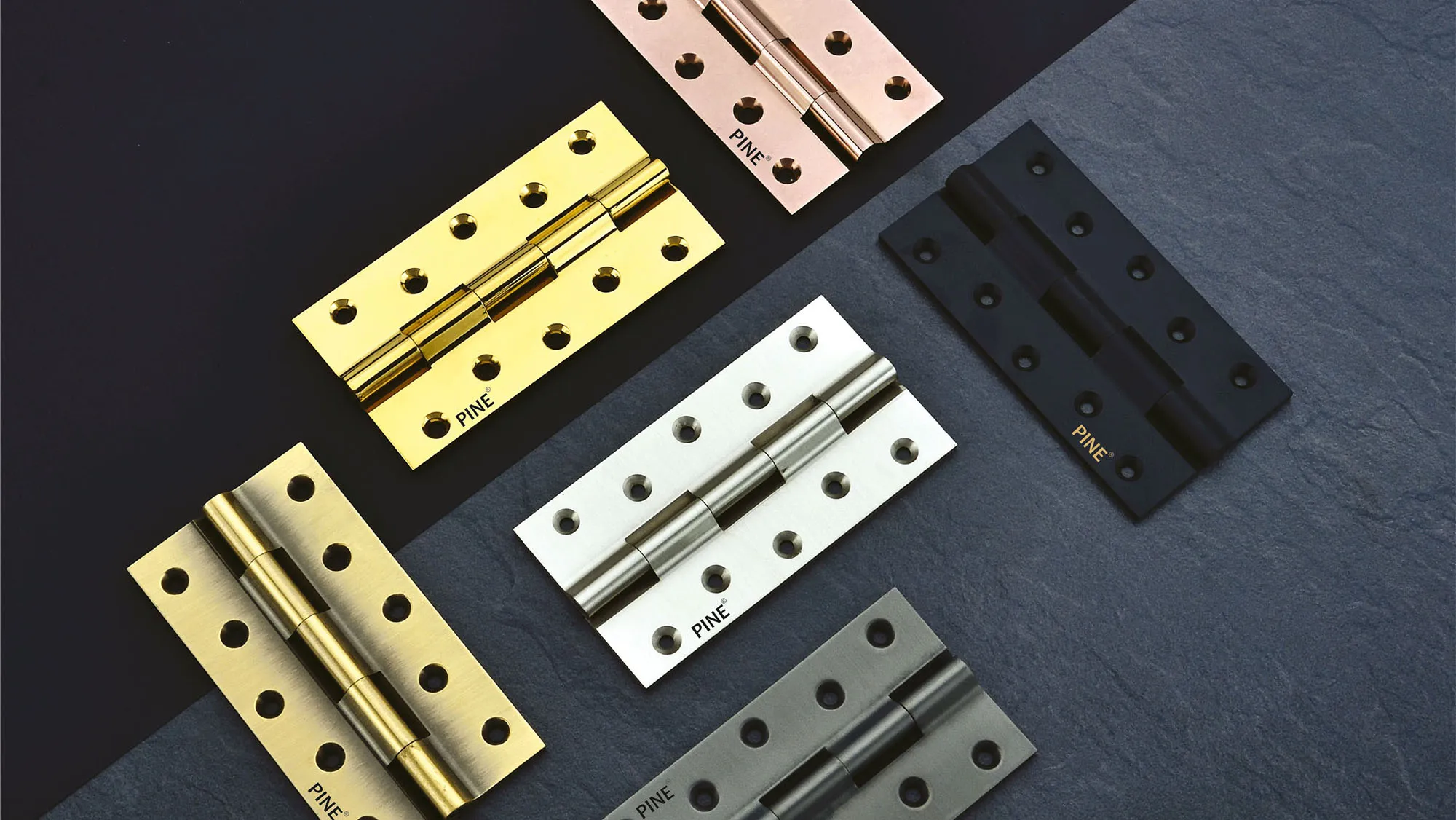
Custom hinges do more than support movement. They also add style and personality to furniture and architecture. Manufacturers offer hinges in many finishes, such as brushed nickel, antique brass, or matte black. These finishes match other hardware and fixtures in the room.
Premium hinges often feature unique shapes or patterns. Some designers choose hinges with engraved details or colored accents. These decorative hinges become focal points in cabinets, doors, or display cases. High-quality materials like solid brass or stainless steel give a sense of luxury and durability.
Finish Type | Visual Effect | Common Applications |
|---|---|---|
Brushed Nickel | Modern, subtle sheen | Kitchen cabinets |
Antique Brass | Classic, warm tone | Heritage furniture |
Matte Black | Bold, contemporary | Office interiors |
Decorative hinges allow designers to express creativity. They select styles that reflect the mood of the space, whether it feels traditional, industrial, or modern.
Advanced Features And Adjustability
Innovation in hinge design has led to new features that improve both function and appearance. Custom hinges now offer adjustability, which helps installers align doors and panels perfectly. Some hinges include built-in dampers that control the speed of closing. Others have removable covers that hide screws and moving parts.
Adjustable hinges make installation easier. Installers can fine-tune the position of a door without removing it. This feature saves time and ensures a precise fit. Advanced hinges also support heavy or oversized doors, which appear in modern architecture.
Adjustable tension: Lets users set how easily a door opens or closes.
Soft-close mechanism: Prevents slamming and reduces noise.
Removable covers: Conceal hardware for a cleaner look.
Custom hinges with advanced features help designers solve practical problems while maintaining a high standard of visual appeal. These innovations support creative layouts and unique architectural solutions.
Tip: When choosing hinges, consider both the style and the technical features. The right hinge can enhance the look and performance of any project.
Choosing And Maintaining Custom Hinges
Selection Tips
Selecting the right custom hinge starts with understanding the project’s needs. Designers should measure the weight and size of the door or panel. They must check the material and finish to match the surrounding hardware. Some projects require hinges with special features, such as soft-close or wide-opening abilities.
A simple checklist can help:
Measure the door or panel’s weight and thickness.
Choose a hinge material that resists rust and wear.
Match the hinge finish to other hardware in the space.
Look for special features, like adjustability or soft-close.
Review the manufacturer’s recommendations.
Tip: Always order a sample hinge to test fit and function before making a final decision.
Installation Best Practices
Proper installation ensures that custom hinges work smoothly and last longer. Installers should use the correct tools and follow the manufacturer’s instructions. They must align the hinges carefully to prevent sagging or sticking.
Key steps include:
Mark the hinge positions with a pencil.
Pre-drill holes to avoid splitting the wood.
Use the right screws for the hinge material.
Check alignment before tightening all screws.
A well-installed hinge supports the door’s weight and keeps movement smooth.
Maintenance For Longevity
Regular maintenance keeps custom hinges working well for years. Users should clean hinges with a soft cloth and mild cleaner. They can apply a small amount of lubricant to moving parts if needed.
A maintenance table helps track care:
Task | Frequency |
|---|---|
Clean hinges | Monthly |
Lubricate | Every 6 months |
Check screws | Every 3 months |
Note: Early attention to squeaks or loose screws prevents bigger problems later.
Custom hinges support both function and style in modern spaces. Designers who choose quality hinges see better performance and lasting value. For the best results, they can consult experts or explore new hinge designs. Investing in the right hinge improves safety, appearance, and daily use.
FAQ
What are custom hinges?
Custom hinges are hardware pieces designed for specific projects. They fit unique sizes, shapes, or functions that standard hinges cannot support.
How do custom hinges improve safety?
Custom hinges support heavy doors and panels. They prevent sagging and reduce the risk of accidents in homes and public spaces.
Can custom hinges match different design styles?
Designers can choose custom hinges in many finishes and shapes. These hinges blend with modern, classic, or industrial interiors.
Related articles
-
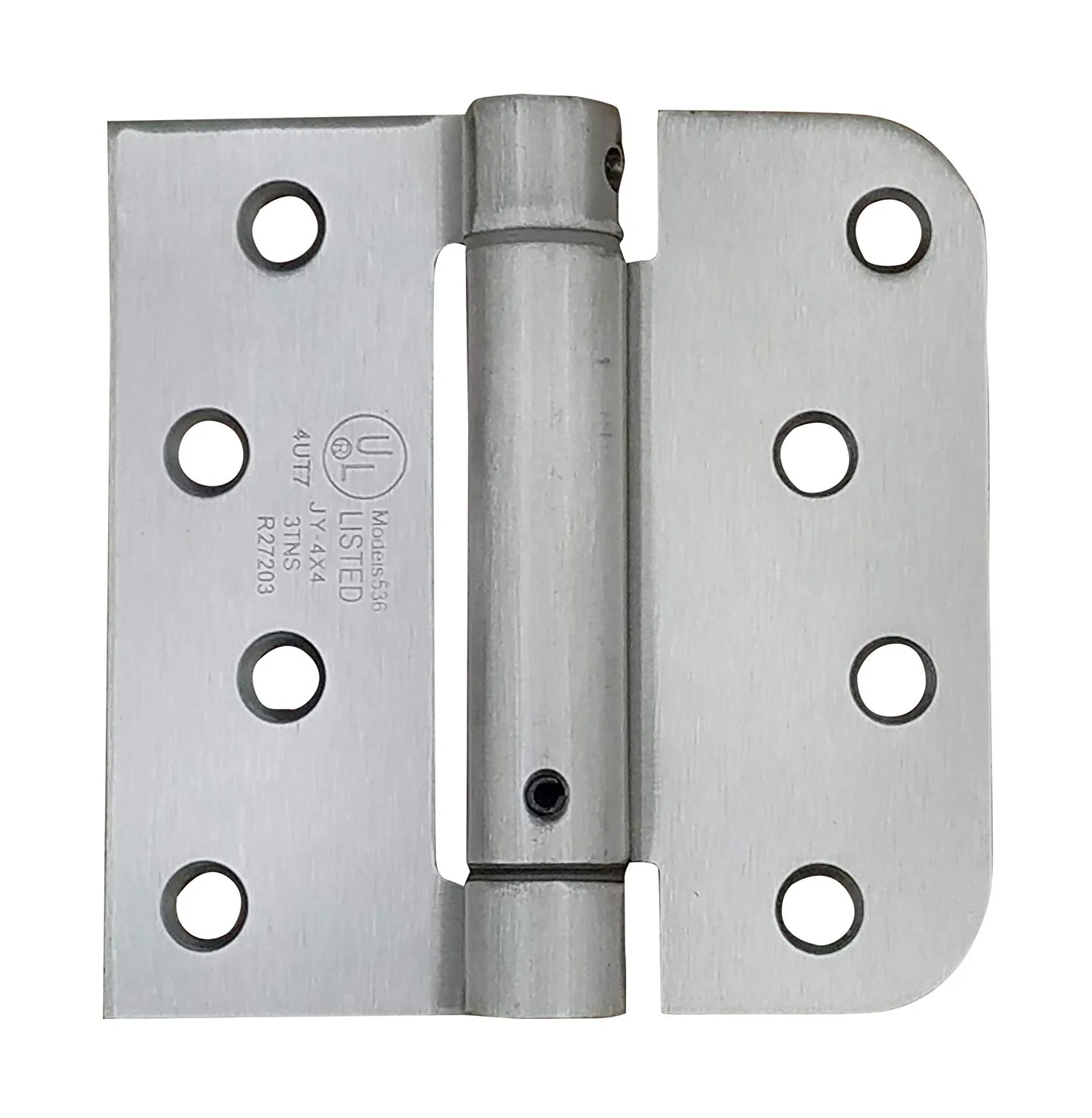
Exploring the Benefits of Spring Hinges for Your Home
Spring for hinge boosts home safety, reduces noise, and helps protect kids and pets while supporting energy efficiency in every room.Jan-07-2026 Learn More >> -
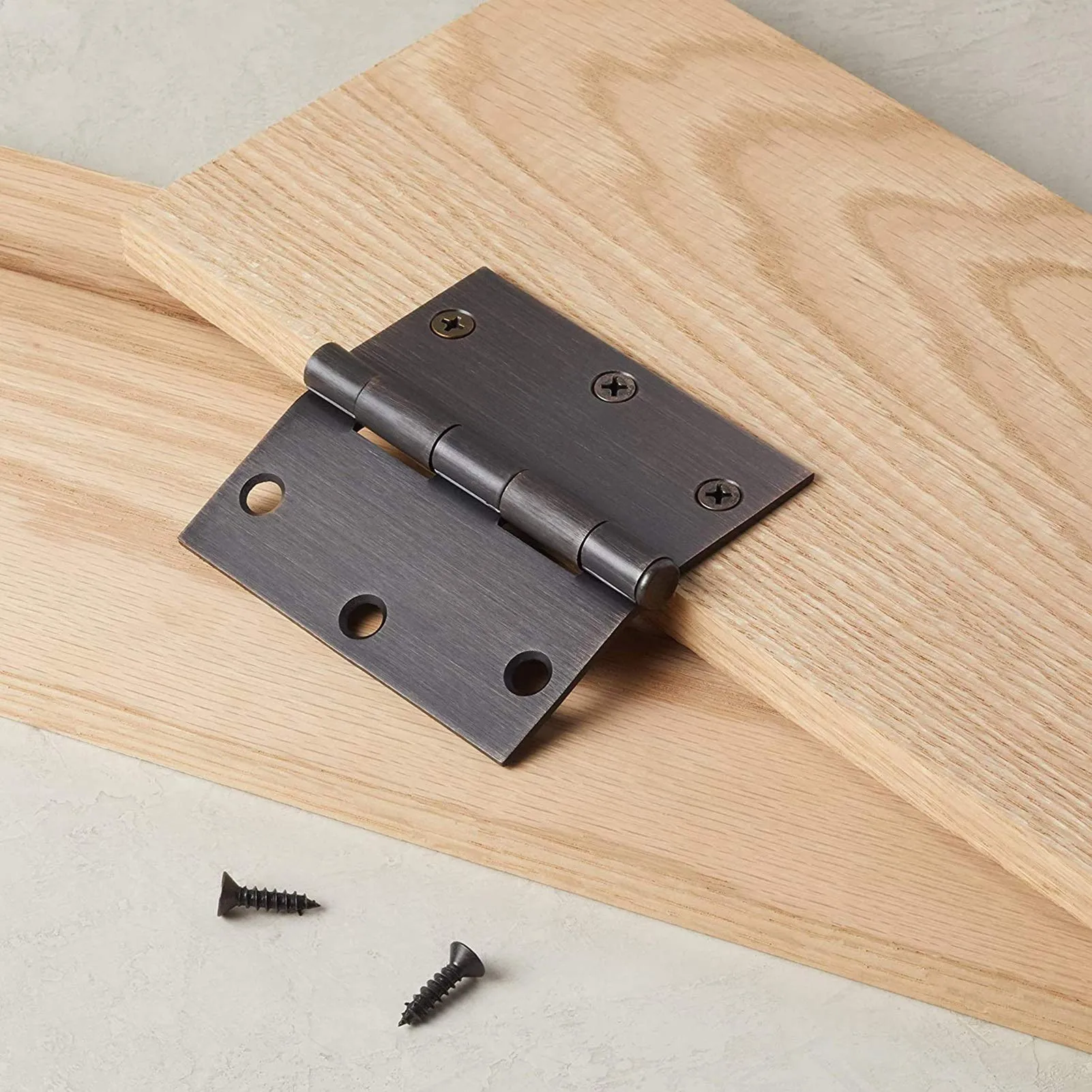
Choosing the Right Cabinet Hinges for Strength, Style, and Smooth-As-Hell Performance
Cabinet hinge types include butt, European, overlay, and more. Compare features and find the best hinge for your cabinet style and installation needs.Jan-07-2026 Learn More >> -
Exploring the Different Types of Cabinet Hinges: Which One is Right for Your Project?
Compare cabinet hinges types to find the best fit for your cabinet style, door overlay, and features like soft-close or concealed hinges.Jan-07-2026 Learn More >>

Contact
Tel: +8613325838282
Add: 6265 Providence Way Eastvale,CA 92880
Follow Us:


